5 Pokémon Cards Spiking in Price Right Now (June 2026)
Five Pokémon cards on a tear in the latest market data — from a Tag Team GX nearly tripling to a cluster of Black Bolt cards moving together — with approximate market values and what may be driving each.
Card prices never sit still, and the latest data turned up a handful of cards making real moves. Below are five of the biggest gainers from the most recent market window (roughly mid-May to early June 2026), spanning a vintage-ish Tag Team GX, a couple of modern singles, and an unusual cluster of cards from one recent set.
About these prices: values below are approximate TCGplayer market prices from recent gainer data (mid-May to early June 2026). Percentage moves are over a few weeks, not a single day, and prices on hot cards can swing fast — always check the live price in the TCGplayer app before you buy or sell.
1. Pikachu & Zekrom GX — Team Up
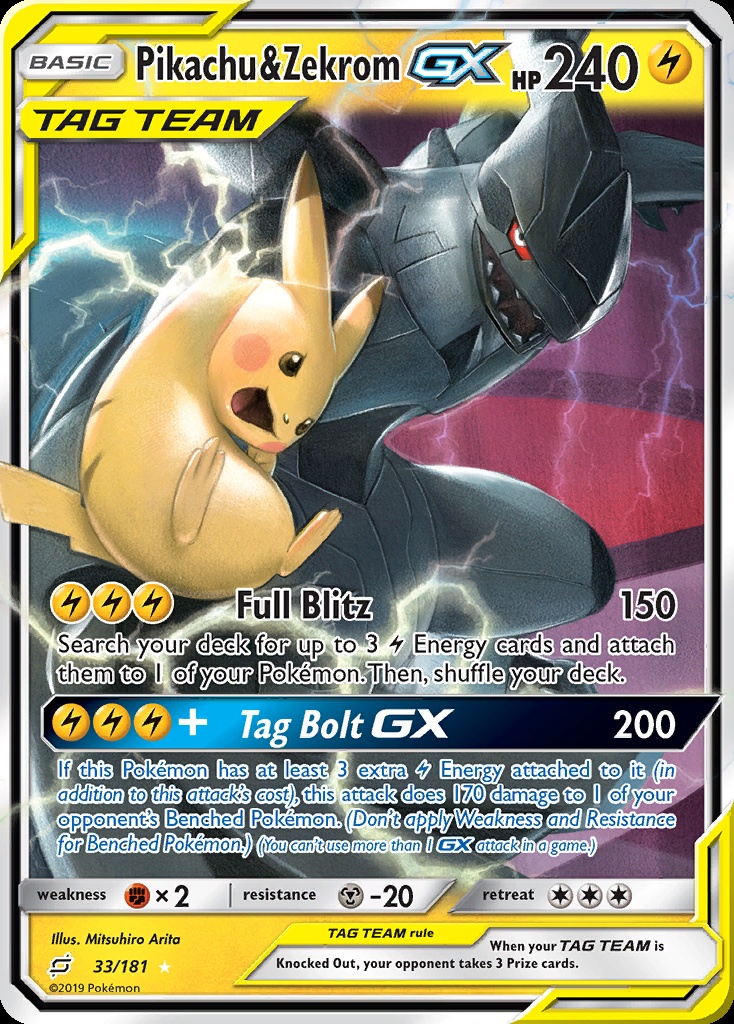
Recent move: ~$43 → ~$137 (about +69%)
The biggest dollar jump on the list. Pikachu & Zekrom GX from Team Up is a fan-favorite Tag Team from 2019, and it pairs the franchise's mascot with a heavy hitter in a long-out-of-print Sun & Moon set. Iconic Pikachu cards from older, scarce sets are exactly the kind of thing that runs when collector attention turns to vintage — and nearly tripling in a few weeks is a serious move for an established card.
2. Greninja ex — Twilight Masquerade
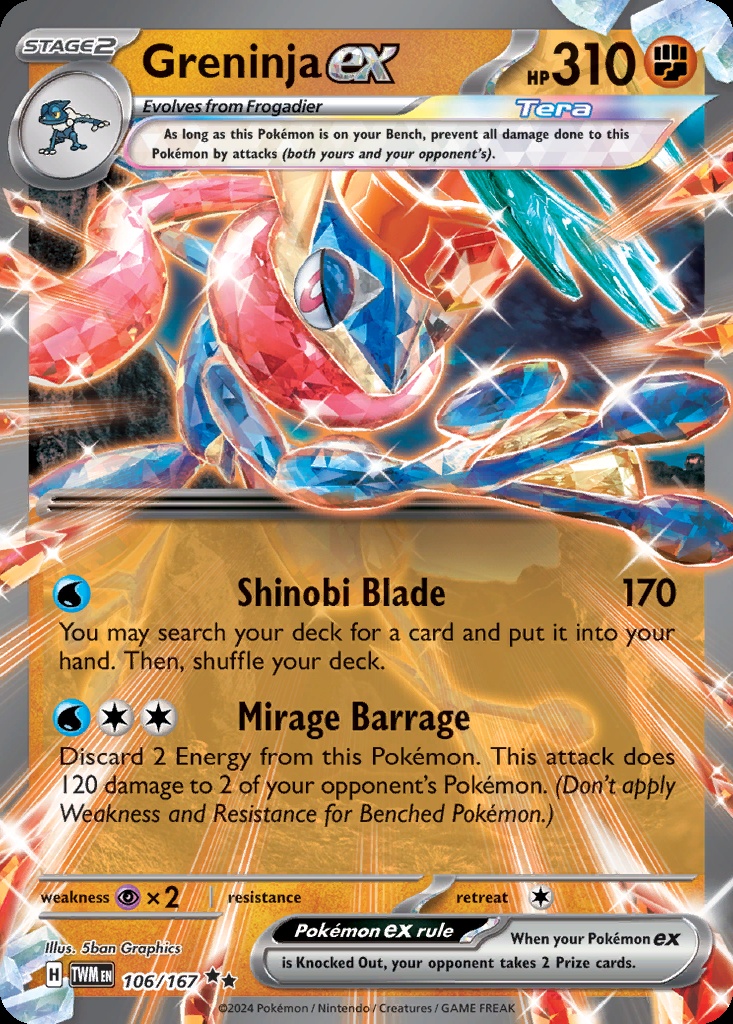
Recent move: ~$2.40 → ~$6.50 (about +63%)
Greninja is one of the most popular Pokémon in the game, and the Greninja ex from Twilight Masquerade has been climbing steadily — multiple trackers flagged it as a standout gainer over both the past few weeks and the past month. It's still an affordable card, which is often where demand builds first before the pricier rarities of a Pokémon's line follow.
3. Slowpoke — Stellar Crown
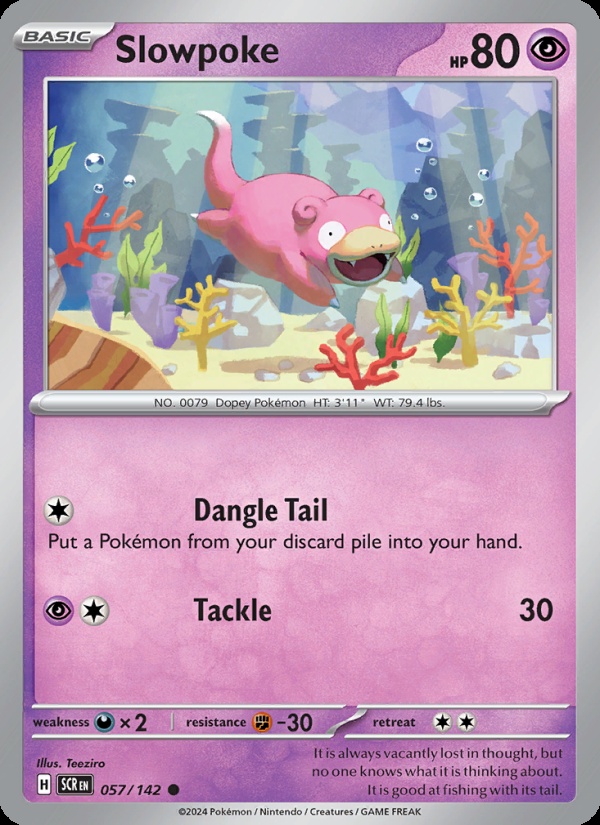
Recent move: one of the largest percentage gainers tracked, now ~$3+
The percentage-spike poster child. Slowpoke from Stellar Crown posted one of the steepest percentage jumps in recent gainer data — but it's a useful lesson in reading these numbers. A move from well under a dollar to a few dollars produces an eye-popping percentage on very little actual money. It's a real spike worth knowing about, especially if you're sitting on a stack of them, just not a four-figure windfall per card.
4. Pansage — Black Bolt
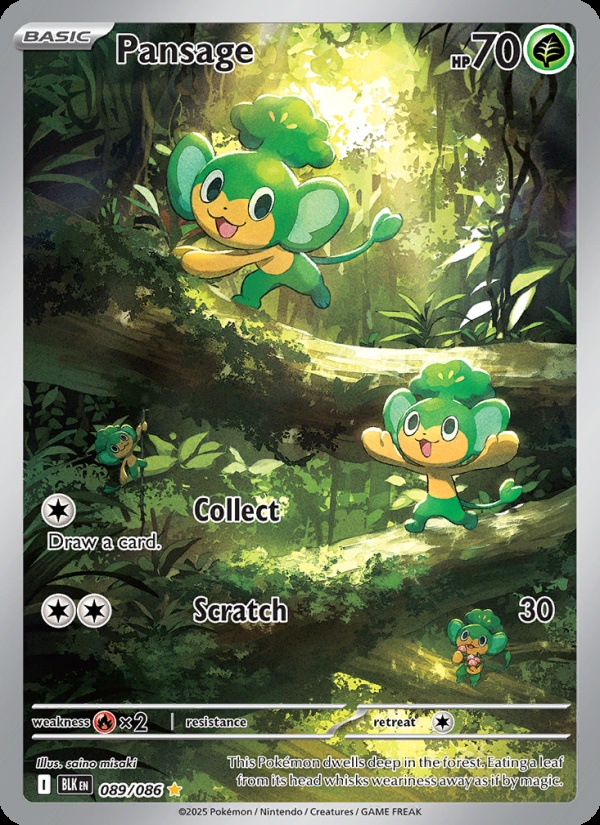
Recent move: ~$12.50 → ~$32 (about +61%)
Here's where it gets interesting. Pansage from Black Bolt is a humble Unova-line card that more than doubled — and it isn't moving alone (see the next entry). When a set's lower-rarity cards spike together, it usually points to a single catalyst rather than organic demand for one card.
5. Karrablast — Black Bolt

Recent move: ~$9.50 → ~$22 (about +57%)
The Black Bolt cluster's second mover. Karrablast jumped right alongside Pansage over the same window. Two Unova evolution-line cards from the same recent set spiking together is the tell-tale fingerprint of a buyout — someone clearing the cheap listings to reset the floor — or a sudden wave of collector focus on the set. Either way, clustered moves like this are worth watching, because they sometimes fade as fast as they appeared.
What's actually driving this
A few patterns are worth pulling out of this week's list:
- Vintage and out-of-print cards keep their momentum. The Pikachu & Zekrom GX move fits the broader 2026 trend of older, scarce cards appreciating as attention shifts toward Pokémon's anniversary year.
- Percentage spikes can be deceiving. Slowpoke's enormous percentage gain is real but small in dollars. Always look at the absolute price, not just the percent.
- Clustered moves usually mean a catalyst. When several lower-rarity cards from one set (here, Black Bolt) jump together, suspect a buyout or a content-driven surge rather than independent demand.
How to check what your cards are worth
If any of these are sitting in your collection, here's the fast way to act on a spike:
- Confirm the exact card — set and card number matter. Our set pages and card search pin down precisely which printing you have.
- Read the live market price, and ideally the recent sold listings, in the TCGplayer app — a spike in asking prices isn't the same as a spike in what's actually selling.
- Be honest about condition. A spike rewards clean copies; played edges and off-center cards sell for less than the headline number.
Want to play with prices while you're here? Our Higher or Lower game runs on real market values, and the 151 pack opening shows you what a booster is worth.
The bottom line
This week's movers are a good cross-section of how the market actually behaves: an iconic vintage Tag Team running hard, a popular modern Pokémon climbing on demand, a tiny card posting a huge percentage, and a clustered set spike that screams "catalyst." Spikes are often the best window to sell — so if you've got any of these, now's the time to look.
Sitting on cards that just jumped? Export your TCGplayer Collection as a CSV and get an offer from us — we cover the shipping label.
Frequently asked questions
- Which Pokémon cards are going up in price right now?
- In the latest market data (mid-May to early June 2026), the biggest movers include Pikachu & Zekrom GX from Team Up, Greninja ex from Twilight Masquerade, Slowpoke from Stellar Crown, and a cluster of Black Bolt cards (Pansage and Karrablast). Most jumped 50%+ over a few weeks. Card prices move fast, so always confirm the live price before buying or selling.
- Why do Pokémon card prices spike suddenly?
- Common triggers are a popular content creator or competitive deck featuring a card, a set going out of print, a buyout (someone clearing low listings to reset the floor), or renewed collector focus on a Pokémon. Low-dollar cards can show huge percentage jumps on very little money, so a "+900%" move might only be a few dollars in absolute terms.
- Should I sell my cards when they spike?
- A spike is often the best window to sell, because many of them fade once the catalyst passes and supply catches up. Check the recent sold listings (not just the asking prices), be realistic about your card’s condition, and remember that a clean, accurately graded copy sells faster than an optimistic listing.
About StatLineTCG Team
Data-driven guides and market coverage from the StatLineTCG desk, built on our database of 20,000+ cards. Edited by Trevor.
Related reading

The 5 Biggest Pokémon Card Price Movers of June 2026
The five Pokémon cards that climbed the most in June 2026 — from Bubble Mew crossing $1,000 to a Team Up GX riding 30th-anniversary reprint hype.
StatLineTCG Team · June 27, 2026
Market Updates
Pokémon 30th Celebration Leaks & News: What We Actually Know
The 30th Celebration set list leaked in July, early packs are in the wild, and a disputed 'RGB Rare' Mew has split the community. Every leak, every confirmed product promo, and which is which.
StatLineTCG Team · August 13, 2026
Market Updates
Pokémon TCG 30th Celebration: Release Date, Cards & New Rarity
The Pokémon TCG turns 30 with 30th Celebration — the first-ever simultaneous worldwide release (Sept 16, 2026), an all-foil set, a guaranteed Pikachu in every pack, and a brand-new Futuristic Rare rarity.
StatLineTCG Team · June 7, 2026